PET Recycling - Case Study
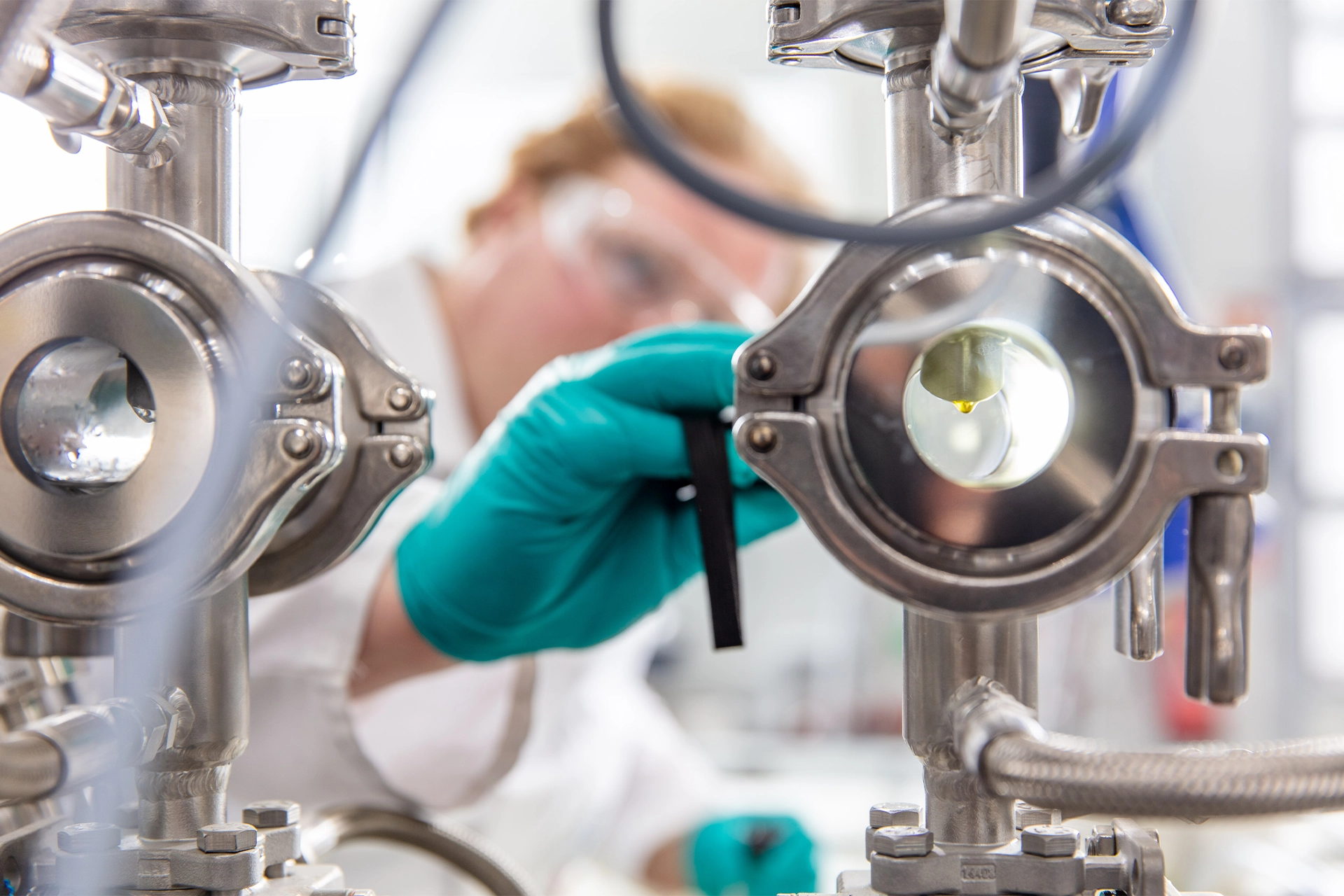
VTA and UIC experts draw on more than 70 years of experience to provide customized plants of all sizes for any distillation need.
With two state-of-the-art technology centers we partner with our customers throughout the full process
from determining the perfect distillation technology and parameters for each individual request
to laboratory and pilot plant testing to the design, construction, and commissioning of industrial-scale distillation plants, to after sales support.
Let us face your next distillation challenge together!

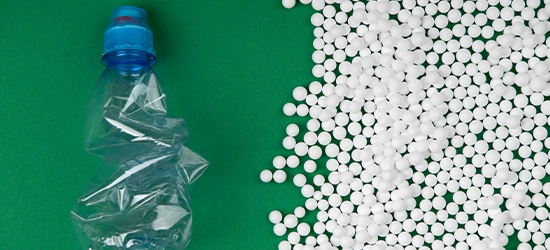
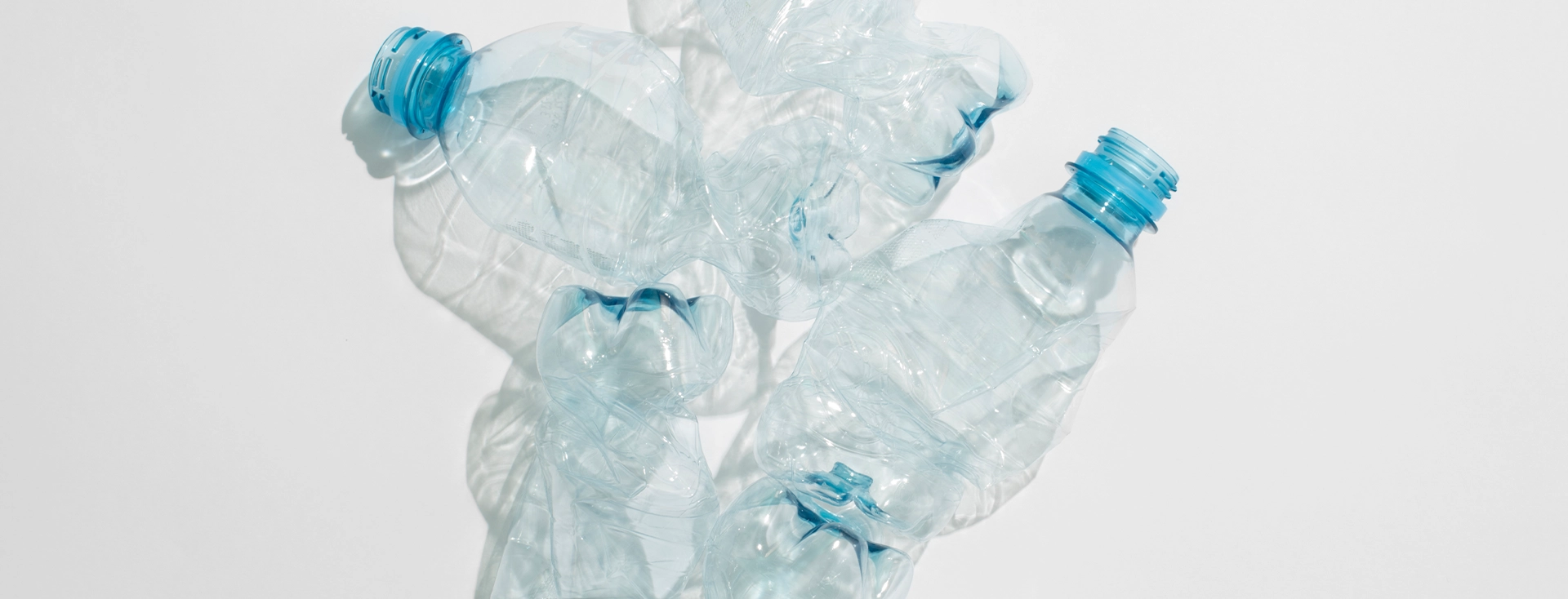
PET, or polyethylene terephthalate, is a popular plastic commonly used in the manufacture of bottles, packaging and textiles. Due to its versatility, durability and light weight, PET has gained worldwide acceptance, resulting in huge consumption and growing markets.
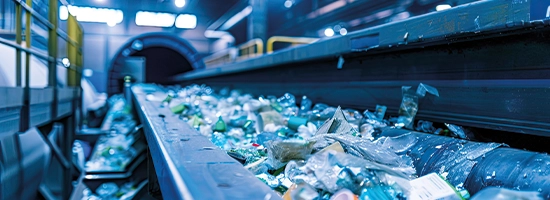
At the same time, the amount of PET waste that needs to be recycled is increasing. The need for recycling is high because PET waste not only takes up space in landfills, but also pollutes the environment when it ends up in nature. Recycling helps to minimize these negative impacts and extend the life of the materials used, which are based on finite resources and are produced at high energy consumption.
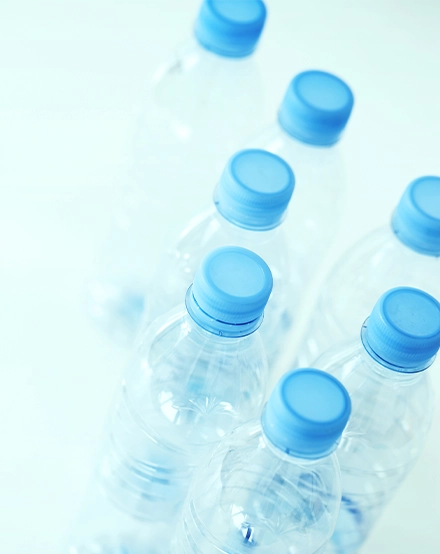
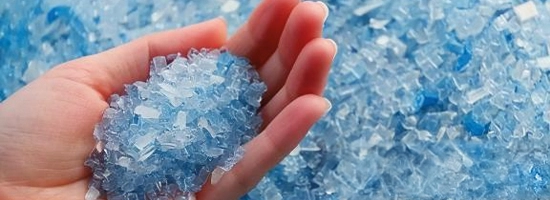
One way to recycle PET is to simply melt it down and make new PET.
The problem is that doing this with colored PET results in low quality material with very limited reuse potential.
Therefore, the preferred process for PET recycling
is chemical depolymerization.
Unfortunately, chemical depolymerization only produces a mixture of
BHET (bis(hydroxyethyl)terephthalate), EG (ethylene glycol) and oligomers.
To take full advantage of the reuse possibilities for BHET and EG,
both substances need to be separated and purified.
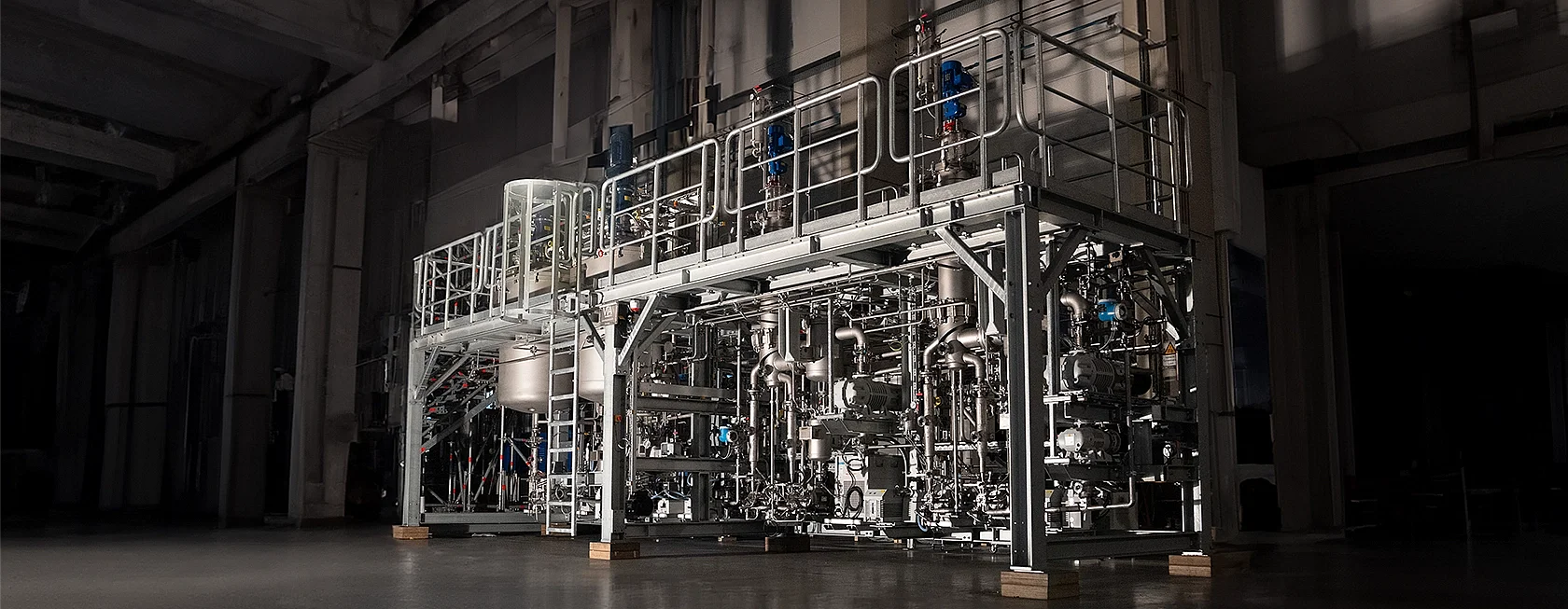
A continuously operated vacuum distillation process is used to obtain pure BHET and EG.
This distillation process is challenging and requires a high level of expertise and sophisticated process design. This distillation process consists of the following two steps:
1. Thin Film Distillation of EG
2. Short Path Distillation of BHET to separate it from oligomers and other impurities, characterized by its short residence times and very low operating pressures.
A particular challenge in the distillation of BHET is its tendency to form deposits in the evaporator, cold trap and vacuum system. VTA and UIC has developed special processes and components to overcome this problem and avoid downtime.