Lactic Acid - Case Study
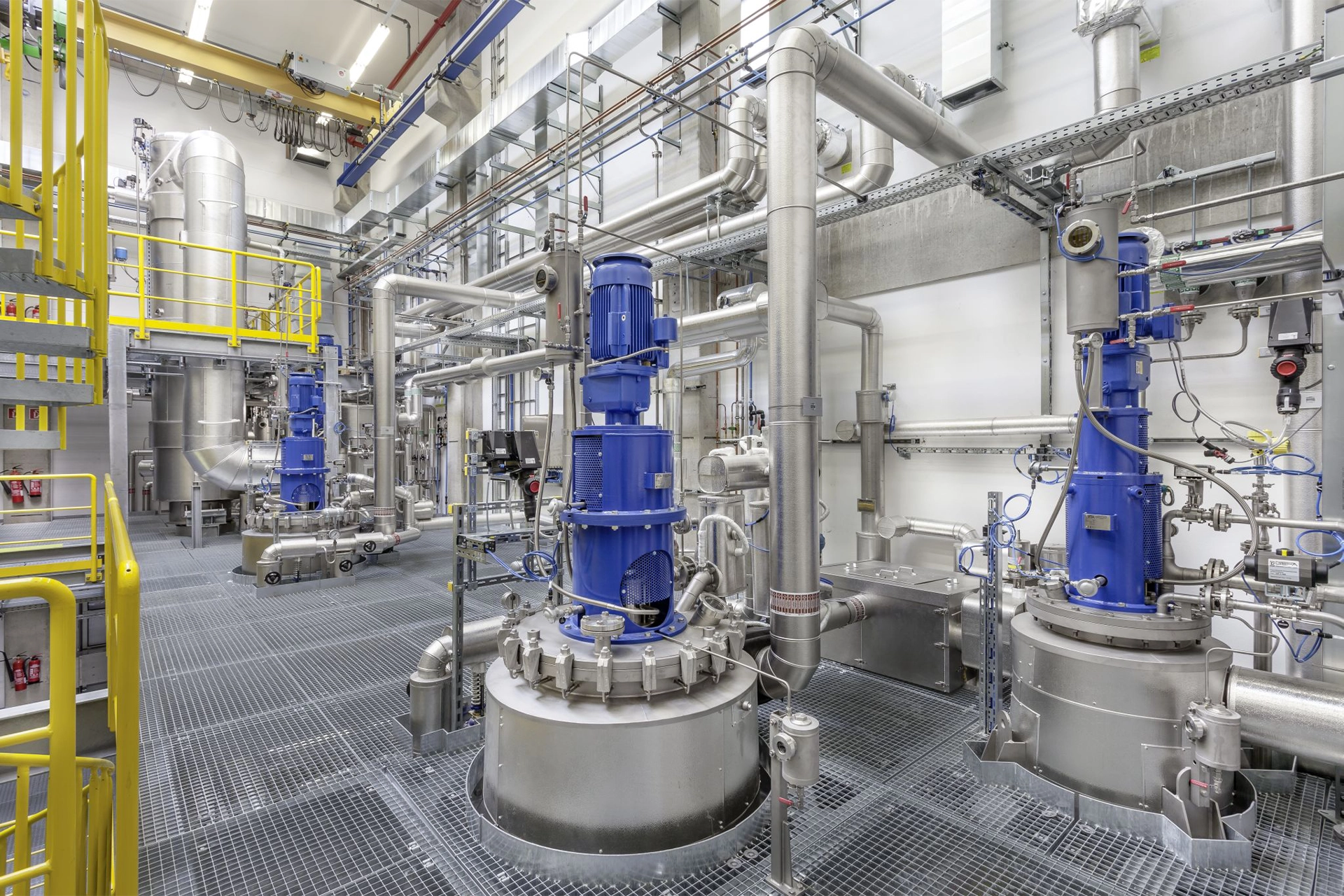
VTA and UIC experts draw on more than 70 years of experience to provide customized plants of all sizes for any distillation need.
With two state-of-the-art technology centers we partner with our customers throughout the full process
from determining the perfect distillation technology and parameters for each individual request
to laboratory and pilot plant testing to the design, construction, and commissioning of industrial-scale distillation plants, to after sales support.
Let us face your next distillation challenge together!

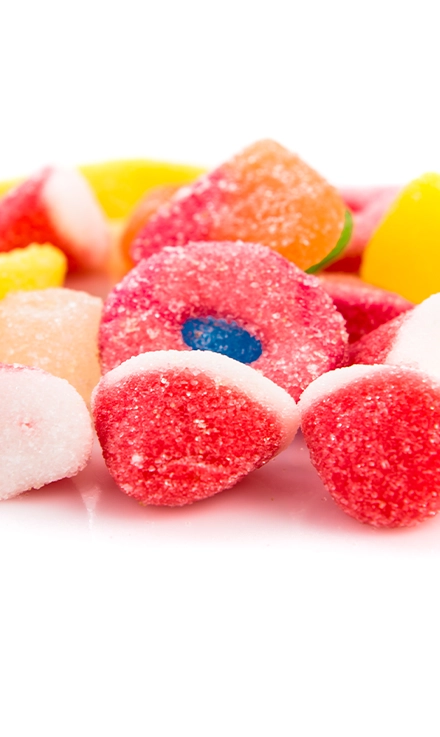
Lactic acid is obtained by fermentation of carbohydrate-rich raw materials, such as glucose, sucrose, corn starch, or whey, followed by a series of purification processes. Purified lactic acid has a wide range of applications in the food, pharmaceutical, cosmetics, plastics and chemical industries.
Today, one of the most important applications for purified lactic acid is the production of polylactic acid (PLA) for the manufacture of bioplastic compounds and consumer goods. Using a feedstock derived from renewable sources of sugar, corn or wheat, lactic acid is obtained through fermentation and ultimately converted into bioplastics as a 100% bio-compostable material. The biocompostability of plastics is one of the most important sustainability requirements worldwide. For this bioplastic production, we at VTA and UIC provide the process solution for the production of heat-stable lactic acid. The use of heat-stable lactic acid is crucial to avoid coloration during the downstream PLA polymerization process that converts lactic acid into plastic products.
Lactic acid is often produced in a raw state that contains impurities such as residual sugars, proteins and peptides as well as some colored impurities.
In addition, the concentration of lactic acid is often insufficient
for the application.
The main quality criteria for lactic acid are:



Distillation is the process of choice for obtaining the highest yields of ultrapure lactic acid.
Distillation is carried out under vacuum to lower the boiling point and prevent thermal degradation.
The materials used in the distillation plant must be resistant to the corrosive properties of lactic acid.
These are generally of the duplex family of stainless steels.
The key to achieving the highest purity is a multi-stage distillation process, designed to meet the specific requirements of the customer.
A typical process design includes at least the following steps: