Fish Oil - Case Study
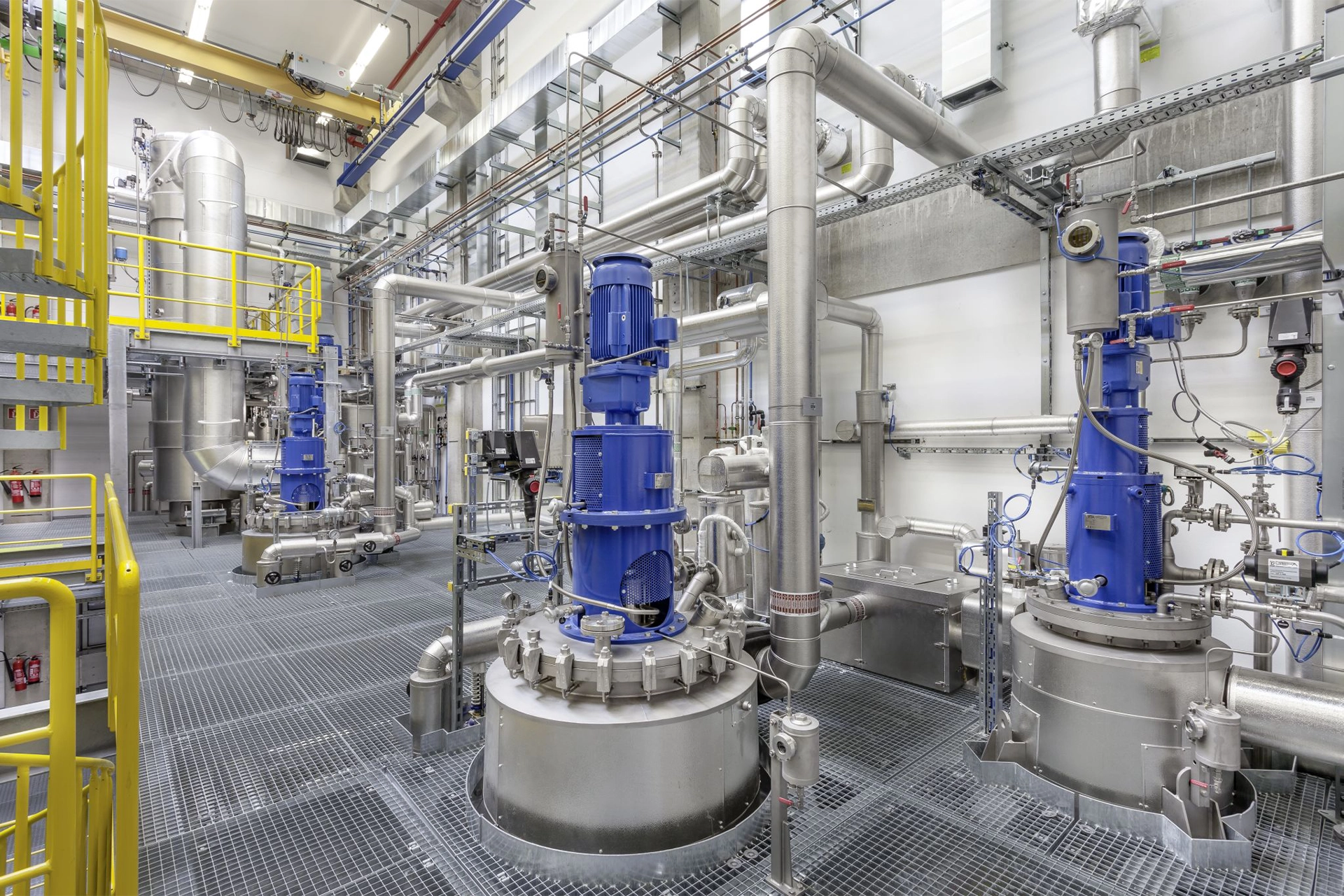
VTA and UIC experts draw on more than 70 years of experience to provide customized plants of all sizes for any distillation need.
With two state-of-the-art technology centers we partner with our customers throughout the full process
from determining the perfect distillation technology and parameters for each individual request
to laboratory and pilot plant testing to the design, construction, and commissioning of industrial-scale distillation plants, to after sales support.
Let us face your next distillation challenge together!
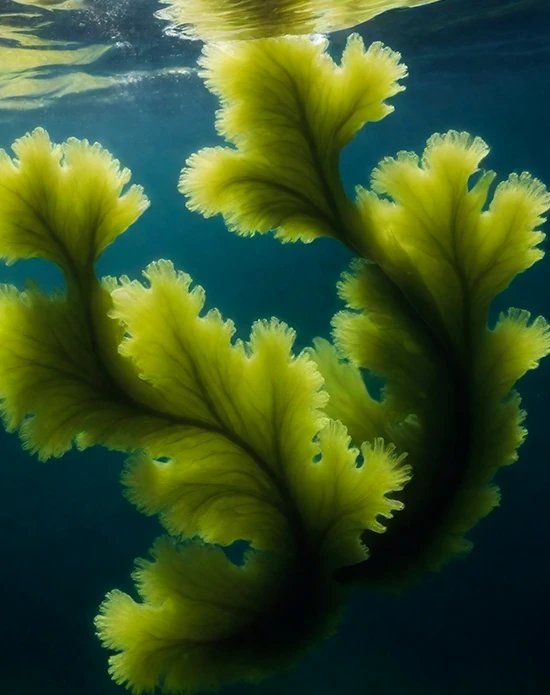
Marine oils are extracted from fish and certain marine algae. Crude marine oils are purified because they contain contaminants such as phospholipids, free fatty acids, primary oxidation products, pigments, as well as pesticides, persistent organic pollutants (POPs), 3-monochlorpropanediol (3-MCPD) and glycidyl fatty acid esters (GE). Mineral oil hydrocarbons (MOSH & MOAH) have become increasingly concerning as these are harmful contaminants which need to be removed during the refining process to meet current regulations.
Refining crude oil can involve numerous steps like:
Those process steps are well established. Increasing costs and contamination of crude oils have forced fish oil producers worldwide to optimize their process steps.
Traditional Chemical Neutralization:
Oils are treated with an alkaline solution to react the free fatty acids into soap. A significant amount of the valuable product is emulsified and will be lost along with the soapstock.
Replacing chemical neutralization with stripping offers the highest possible savings.
Neutralization and Purification by Stripping:
Free fatty acids are removed by short path distillation (SPD), a fully continuous physical process in which no chemicals are added to the oil. No costly post-treatment is necessary since no soapstock is produced.
Another advantage is the simultaneous removal of:
Stripping by short path distillation is a well known, established and economical process.
Losses during chemical neutralization and stripping: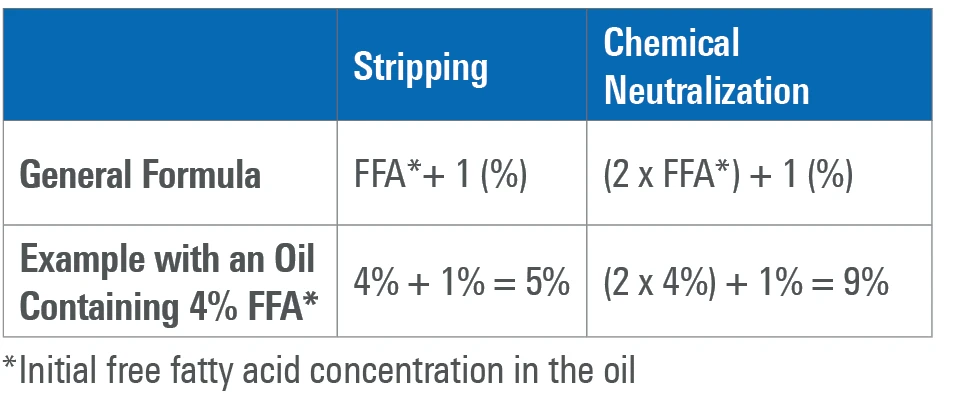
For over 20 years, VTA and UIC have been recognized as the unrivaled global leaders in providing state-of-the-art distillation equipment to the marine oil industry. With proven expertise and a track record of excellence from stripping to OMEGA-3 concentration, deodorization and fractionation, our solutions guarantee the highest quality and performance.
Practical example: Assuming an annual production of 15,000 tons per year replacing chemical neutralization by short path distillation saves 600 tons of valuable product. Based on a value of $ 3,000 – $ 4,000 per ton of crude oil, the total savings could be up to $ 2.4 million.
Practical example: With an annual production volume of 5,000 tons, this would still mean an immense saving of 200 tons of valuable product and financial savings of up to $ 800,000.